When visitors come to your website, what exactly are you feeding them? Have you ever stopped to think about it? Is your copy like a greasy burger and fries that you didnt put much thought into picking up, or more like a lovingly prepared home cooked Sunday supper with all of the trimmings?
Why the food comparison? Well, its actually quite logical. Your web copy provides your visitors with the information that they need to decide whether or not they want to purchase your goods or services. So in essence, your copy is food for their buying decision. The question is, do they leave your website properly satiated or will they find themselves hungry for something more substantial mere moments later?
The best way to ensure that your content provides readers with the information that they need to pick up that phone or submit your online form is to supply your cooks (aka your writers) with fresh, nutrient-dense ingredients. Truly nutritious content should have your fingerprints all over it. It should be redolent with your unique brand voice, toothsome with hearty information, and it should linger in their minds like a fine wine on the palate. If you want to convince them and convert them it is essential to offer something more than fast food copy.





 Your new post is loading...
























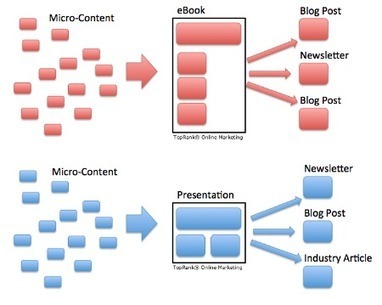



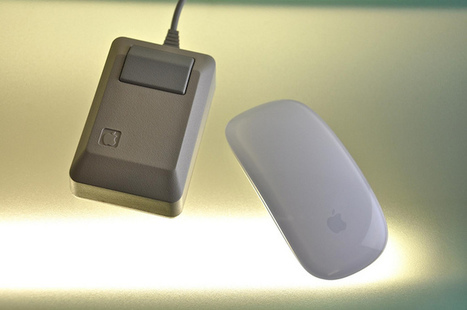






If you are reading this, you are doing IT, the IT is consuming content. The problem with being on this side of the content (the consuming side) is that some else is getting to move the reader in a direction that will benefit them, be it a pageview, newsletter sign-up or even a sale.
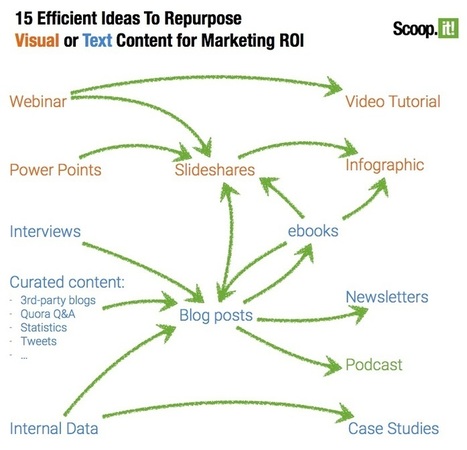
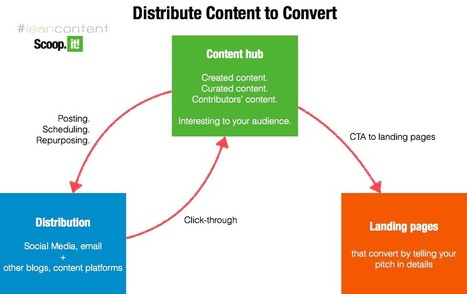
This article is a good example of Lean Content, it's not lengthy on wording, it uses "other people's content" (OPC) and images to make a point.
We can even look at this Scoop.it post I just had you read as part of my Lean Content strategy.
By making this Scoop.it post my Lean Content strategy is to get you wondering who is Brian Yanish and what does his company MarketingHits.com do.